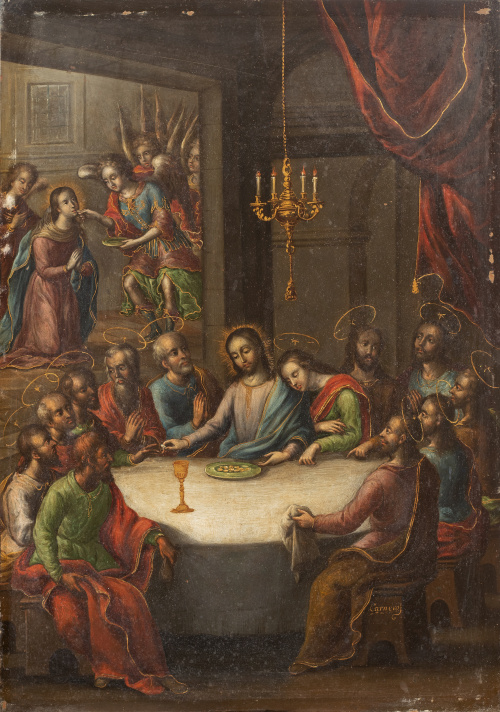
 I figure that other religions shouldn’t get short shrift in my various reading projects, besides, from a psycho-sociological perspective, they’re all on equal footing in terms of my interest. Queue the folk who are going to object that I dare to impugn “the word of God”, who had no qualms over my dissection of the “Old Testament” over the last years. For the New Testament, or Christian Bible, it turns out there are a whole lot of versions of it, and they don’t all agree. I mean, not even close in some cases. I had a bit of a chat with the Claude AI and we settled on the NRSVue, or New Revised Standard Version Updated Edition for my dive.
“Formal-leaning, produced by a broad ecumenical/scholarly committee, widely used in academic biblical studies. Uses gender-inclusive language where the translators judged the original intent to be inclusive (e.g., “brothers and sisters” for adelphoi in some contexts).”
Then it became a question of what order to read the 27 books in…
“For a sociological and historical approach, the standard biblical order is not ideal because it hides how early Christian communities actually developed.
You should read the texts chronologically by composition date. This lets you track the evolution of the movement in real time: from a small, apocalyptic Jewish sect to a structured, institutionalized religion spreading across the Roman Empire.”
And then we have a four stage reading order that groups the books in that suggested order. One way or another, it covers it all, so I’m not sure that the order matters. It’s also an interesting approach, since, for example, chronologically it starts with the Epistles of Paul, who was preaching early Christianity, but in a period before the New Testament itself was actually written down – it was still all oral.
And, away we go!
Stage 1: The First Network (c. 50–58 CE)
“Start with the genuine letters of Paul. These are the absolute oldest surviving Christian documents. They provide an unfiltered look at active, chaotic first-generation house churches wrestling with identity, social class, and boundary lines.”
Galatians – Faith over Formula
Thessalonians – Time Management for the Apocalpse
Corinthians – Unity at Any Cost